Portrait of Manuel Meier

Manuel Meier

Engineer & researcher · wearables and robotics

I am an Engineer working on wearables and robotic hands at mimic robotics. I completed my PhD at the Sensing, Interaction & Perception Lab with Christian Holz at ETH Zürich, and a Research Scientist Internship at Meta Reality Labs Research in Redmond, WA, USA.

Before my PhD, I completed a master’s degree in Information Technology and Electrical Engineering at ETH Zürich, including one semester at Seoul National University. I have also previously worked as an Electronics Technician at the Paul Scherrer Institut, where I developed electronics to read out the pixel-sensor chips of the CMS detector at CERN as part of the research group of Roland Horisberger.

Publications & Releases

2026
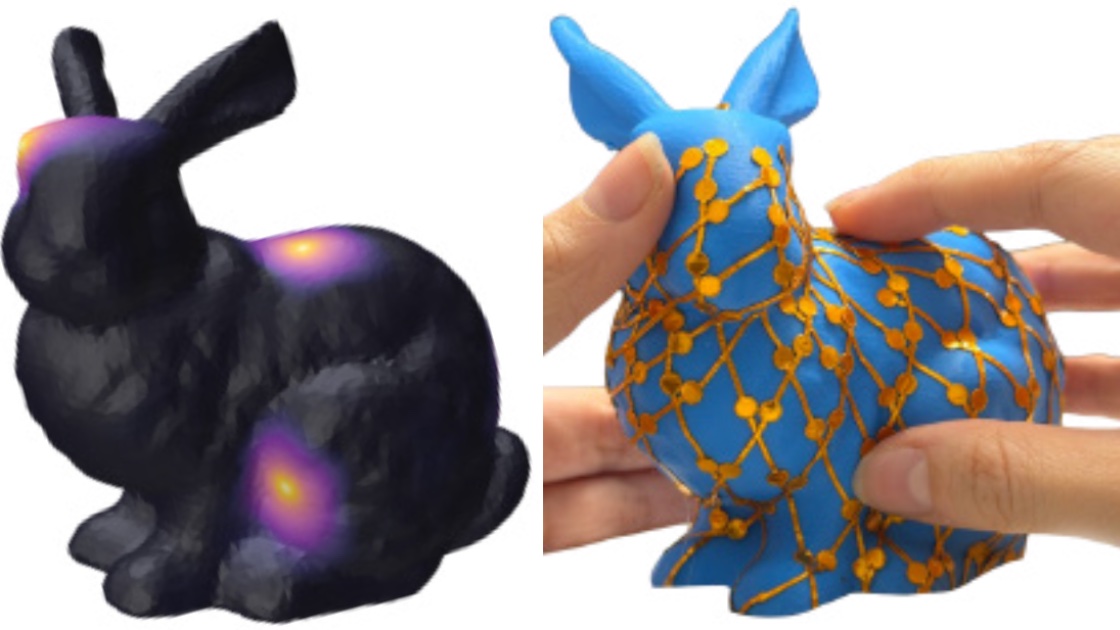
Retrofitting Existing 3D Objects with Surface-Conforming Capacitive Sensing illustration

Retrofitting Existing 3D Objects with Surface-Conforming Capacitive Sensing

Aslan Ilic, Juanwu Gao, Zhipeng Li, Yin Jiang, Roman Schuchert, Manuel Meier, Philipp Herholz, Christian Holz

ACM SIGGRAPH, 2026

Augmenting the surface of 3D objects with capacitive sensing is challenging when their volumes cannot be modified. In this paper, we present a generative computational fabrication pipeline that retrofits surface-only sensor layouts to 3D geometries for multi-touch interaction. Our method scans a real-world object to obtain its 3D mesh, generates and optimizes a 3D sensor design of drive and sense lines for mutual-capacitance sensing under physical and hardware constraints, and unfolds the design into individual 2D stencils that can be cut from conductive material. Our fabrication pipeline cuts these stencils from thin copper foil with a vinyl cutter and then assists manual sensor attachment by projecting the sensor design onto the dynamically registered real-world object. We connect the resulting electrode mesh to a mutual-capacitance scanning controller and resolve touch interaction in real time. We demonstrate our approach with four 3D geometries and evaluate our method and fabrication pipeline on them.
@inproceedings{ilic2026,
  author    = {Aslan Ilic and Juanwu Gao and Zhipeng Li and Yin Jiang and Roman Schuchert and Manuel Meier and Philipp Herholz and Christian Holz},
  title     = {Retrofitting Existing 3D Objects with Surface-Conforming Capacitive Sensing},
  booktitle = {ACM SIGGRAPH},
  year      = {2026}
}
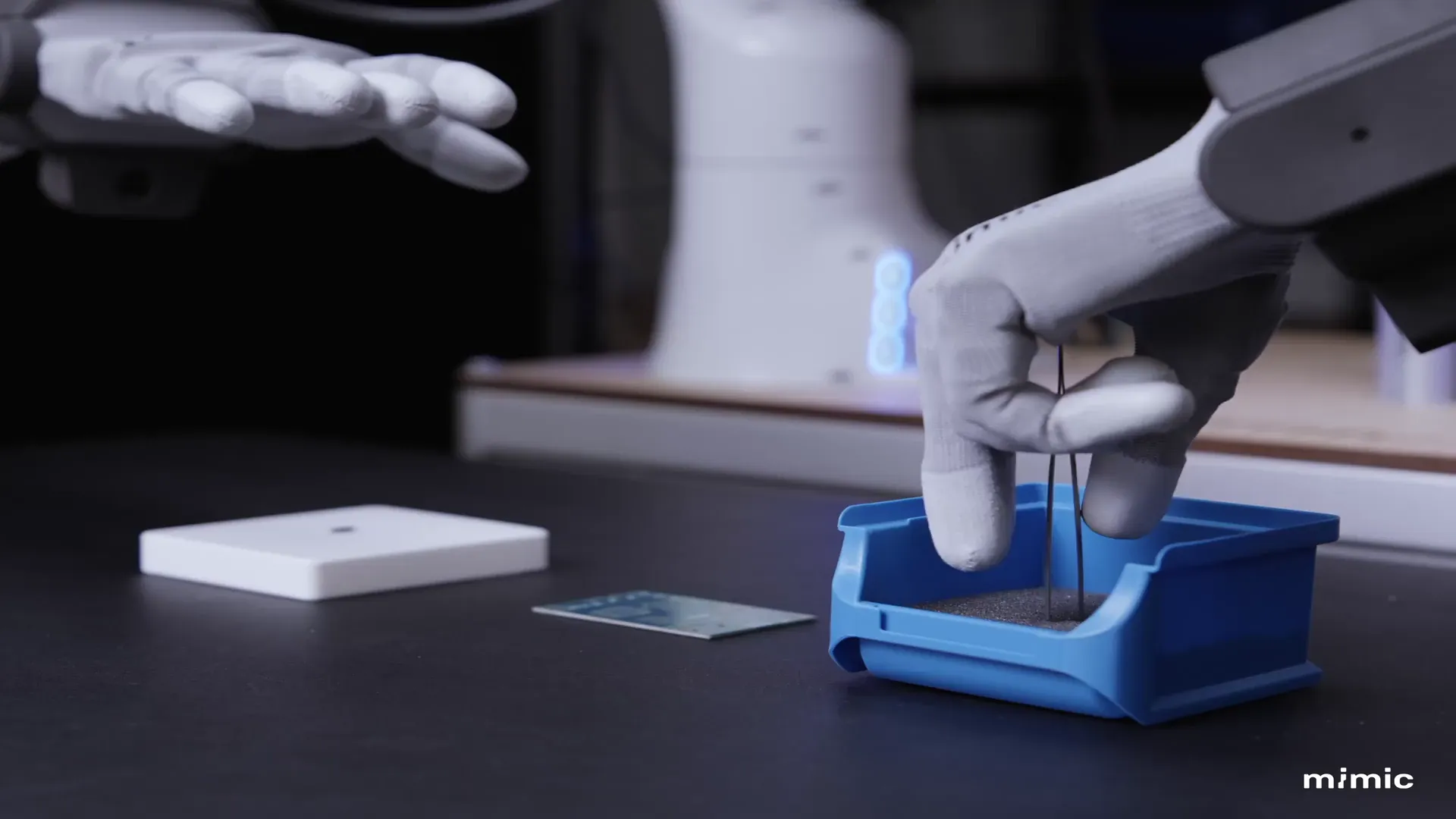
Solving Dexterity illustration

Solving Dexterity: A Full-Stack Approach

Stephan-Daniel Gravert, Philipp Wand, Benedek Forrai, Julian Lotzer, Nicolas Längerich, Manuel Meier, Stephan Polinski, Aashna Majmudar, Stefan Weirich, Elvis Nava

mimic robotics — Engineering Blog, 2026

Introducing the mimic hand M1, a highly backdrivable robotic hand, and the mimic wearable U1, an exoskeleton for capturing human demonstrations. Together with custom software they form an integrated platform for general-purpose dexterous manipulation with a consistent morphology across the entire AI training pipeline.
2025
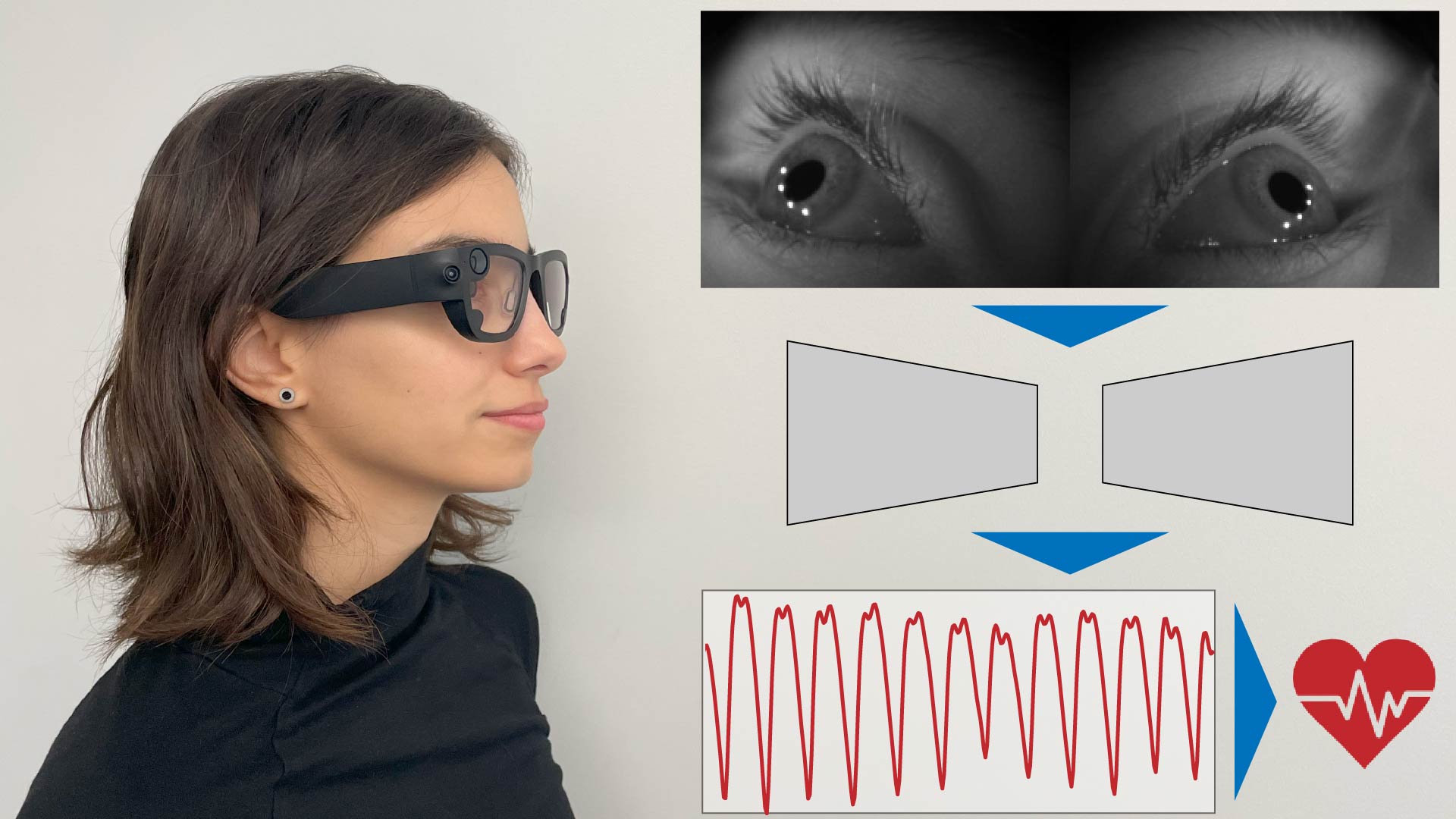
egoPPG illustration

egoPPG: Heart Rate Estimation from Eye-Tracking Cameras in Egocentric Systems to Benefit Downstream Vision Tasks

Björn Braun, Rayan Armani, Manuel Meier, Max Moebus, Christian Holz

IEEE/CVF International Conference on Computer Vision (ICCV), 2025

Egocentric vision systems aim to understand the spatial surroundings and the wearer's behavior inside it, including motions, activities, and interactions. We argue that egocentric systems must additionally detect physiological states to capture a person's attention and situational responses, which are critical for context-aware behavior modeling. In this paper, we propose egoPPG, a novel vision task for egocentric systems to recover a person's cardiac activity to aid downstream vision tasks. We introduce PulseFormer, a method to extract heart rate as a key indicator of physiological state from the eye tracking cameras on unmodified egocentric vision systems. PulseFormer continuously estimates the photoplethysmogram (PPG) from areas around the eyes and fuses motion cues from the headset's inertial measurement unit to track HR values. We demonstrate egoPPG's downstream benefit for a key task on EgoExo4D, an existing egocentric dataset for which we find PulseFormer's estimates of HR to improve proficiency estimation by 14%. To train and validate PulseFormer, we collected a dataset of 13+ hours of eye tracking videos from Project Aria and contact-based PPG signals as well as an electrocardiogram (ECG) for ground-truth HR values. Similar to EgoExo4D, 25 participants performed diverse everyday activities such as office work, cooking, dancing, and exercising, which induced significant natural motion and HR variation (44-164 bpm). Our model robustly estimates HR (MAE=7.67 bpm) and captures patterns (r=0.85). Our results show how egocentric systems may unify environmental and physiological tracking to better understand users and that egoPPG as a complementary task provides meaningful augmentations for existing datasets and tasks. We release our code, dataset, and HR augmentations for EgoExo4D to inspire research on physiology-aware egocentric tasks.
@inproceedings{braun2025,
  author    = {Bjoern Braun and Rayan Armani and Manuel Meier and Max Moebus and Christian Holz},
  title     = {egoPPG: Heart Rate Estimation from Eye-Tracking Cameras in Egocentric Systems to Benefit Downstream Vision Tasks},
  booktitle = {IEEE/CVF International Conference on Computer Vision (ICCV)},
  year      = {2025}
}
Continuous Physiological Sensing Outside Controlled Environments illustration

Continuous Physiological Sensing Outside Controlled Environments

Manuel Meier

PhD Thesis, ETH Zürich, 2025

Physiological monitoring plays a crucial role in precision medicine to enable the continuous assessment of an individual's health status through real-time physiological and behavioral data. Among the most widely monitored vital signs is heart rate, which is relevant in a broad range of contexts such as detecting cardiovascular conditions, tracking exercise intensity, or evaluating sleep quality. Other vital parameters, such as respiratory rate, also provide important insights and can serve as early indicators of adverse health events. However, studies inside controlled laboratory or clinical settings fail to capture the complexities of human physiology that occur in free-living conditions. Wearable sensors offer a promising solution to real-world physiological data collection but face challenges such as fragmented and noisy data recording, the need for user interaction, sensor synchronization, and energy constraints that hinder long-term operation. Combined, these challenges limit the effectiveness of wearable technology for truly passive, accurate, and scalable health monitoring. In this dissertation, we introduce an embedded wearable sensing platform and associated computational techniques for robustly monitoring physiological metrics. Our first contribution is the design of a multi-device, low-power sensing system that integrates multiple physiological and environmental sensors, which ensures longduration, passive data collection without requiring user interventions. Our platform achieves sample-perfect synchronization across sensors and millisecond-level alignment between devices, overcoming one of the key barriers in multi-modal physiological monitoring. To further enhance the reliability of physiological data collection, we propose a multi-modal offline synchronization method that enables precise alignment of signals across multiple body-worn sensors without requiring wireless communication or explicit user actions to support real-world scenarios that cannot guarantee continuous connectivity. We demonstrate the capabilities of the platform by introducing WildPPG, a large-scale real-world photoplethysmography (PPG) dataset collected from 16 participants over 13.5 hours in highly variable environmental and activity conditions. Unlike datasets captured inside controlled settings, WildPPG contains physiological responses to real-world activities such as physical exertion, temperature fluctuations, and varying ambient light levels. This makes our dataset a valuable resource for developing more robust wearable sensing algorithms. iii Based on WildPPG, we propose a series of signal-processing techniques for robustly tracking physiological key metrics. We present a lightweight sensor fusion method that enhances heart rate estimation by combining multiple PPG signals from different body locations, mitigating the effects of motion artifacts and environmental disturbances. We also introduce a learning-based approach for generating PPG signals using multiple optical wavelengths, improving cardiac monitoring in multi-wavelength PPG sensing devices such as pulse oximetry applications. Finally, we propose a novel method for continuous respiratory rate monitoring using ultra-wideband (UWB) radar integrated into wearable devices, enabling accurate respiration tracking with reduced susceptibility to motion artifacts. By integrating hardware innovations with computational methods, this dissertation establishes a foundation for continuous, multimodal, and unobtrusive physiological sensing in real-world environments. The wearable system and data processing techniques we propose can advance precision medicine via the passive health monitoring needed to collect representative data for the purpose of early disease detection, long-term physiological research, and, more generally, contextaware health monitoring solutions.
@phdthesis{meier2025,
  author    = {Manuel Meier},
  title     = {Continuous Physiological Sensing Outside Controlled Environments},
  school    = {PhD Thesis, ETH Zuerich},
  year      = {2025}
}

2024
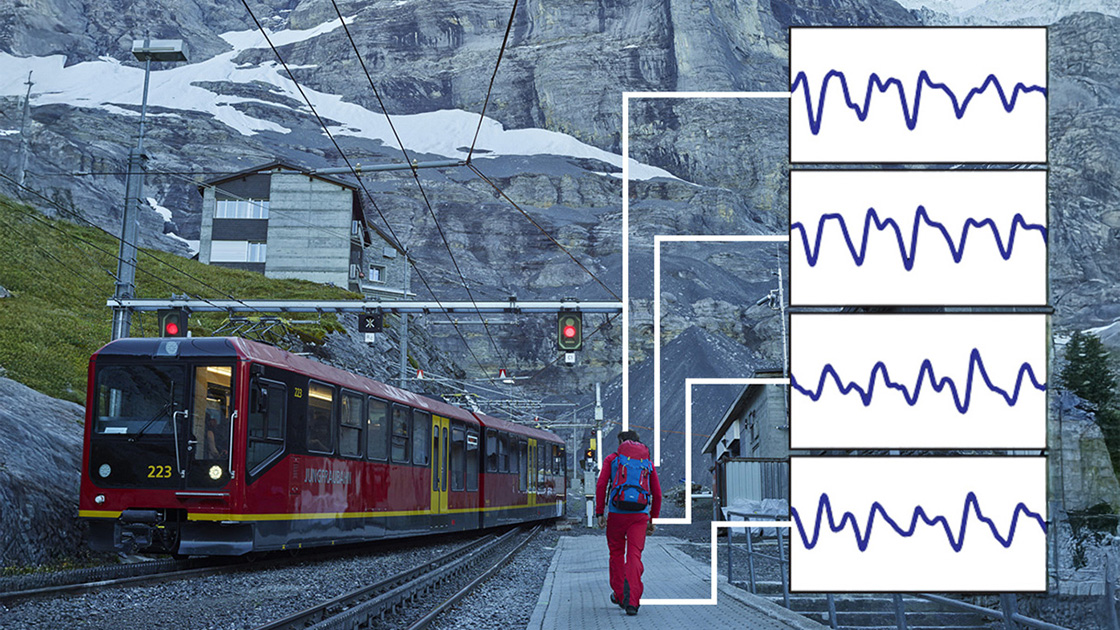
WildPPG illustration

WildPPG: A Real-World PPG Dataset of Long Continuous Recordings

Manuel Meier, Berken Utku Demirel, Christian Holz

Conference on Neural Information Processing Systems (NeurIPS), Datasets & Benchmarks, 2024

Reflective photoplethysmography (PPG) has become the default sensing technique in wearable devices to monitor cardiac activity via a person's heart rate (HR). However, PPG-based HR estimates can be substantially impacted by factors such as the wearer's activities, sensor placement and resulting motion artifacts, as well as environmental characteristics such as temperature and ambient light. These and other factors can significantly impact and decrease HR prediction reliability. In this paper, we show that state-of-the-art HR estimation methods struggle when processing \emph{representative} data from everyday activities in outdoor environments, likely because they rely on existing datasets that captured controlled conditions. We introduce a novel multimodal dataset and benchmark results for continuous PPG recordings during outdoor activities from 16 participants over 13.5 hours, captured from four wearable sensors, each worn at a different location on the body, totaling 216\,hours. Our recordings include accelerometer, temperature, and altitude data, as well as a synchronized Lead I-based electrocardiogram for ground-truth HR references. Participants completed a round trip from Zurich to Jungfraujoch, a tall mountain in Switzerland over the course of one day. The trip included outdoor and indoor activities such as walking, hiking, stair climbing, eating, drinking, and resting at various temperatures and altitudes (up to 3,571\,m above sea level) as well as using cars, trains, cable cars, and lifts for transport -- all of which impacted participants' physiological dynamics. We also present a novel method that estimates HR values more robustly in such real-world scenarios than existing baselines.
@inproceedings{meier2024,
  author    = {Manuel Meier and Berken Utku Demirel and Christian Holz},
  title     = {WildPPG: A Real-World PPG Dataset of Long Continuous Recordings},
  booktitle = {Conference on Neural Information Processing Systems (NeurIPS), Datasets & Benchmarks},
  year      = {2024}
}
EgoPoser illustration

EgoPoser: Robust Real-Time Egocentric Pose Estimation from Sparse and Intermittent Observations Everywhere

Jiaxi Jiang, Paul Streli, Manuel Meier, Christian Holz

European Conference on Computer Vision (ECCV), 2024

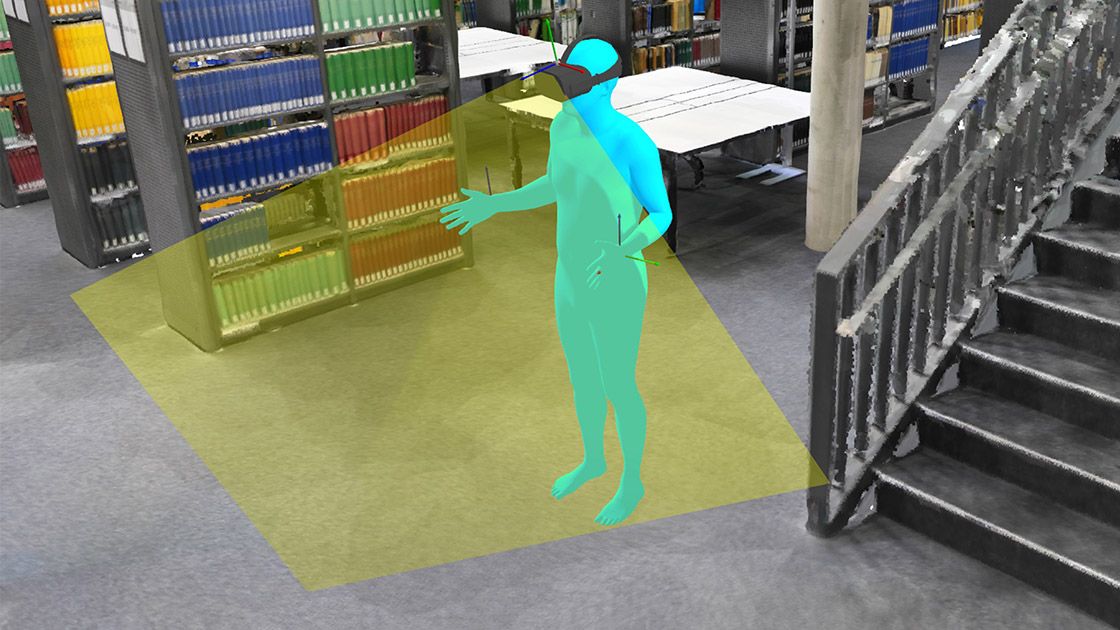
Full-body egocentric pose estimation from head and hand poses alone has become an active area of research to power articulate avatar representations on headset-based platforms. However, existing methods over-rely on the indoor motion-capture spaces in which datasets were recorded, while simultaneously assuming continuous joint motion capture and uniform body dimensions. We propose EgoPoser to overcome these limitations with four main contributions. 1) EgoPoser robustly models body pose from intermittent hand position and orientation tracking only when inside a headset's field of view. 2) We rethink input representations for headset-based ego-pose estimation and introduce a novel global motion decomposition method that predicts full-body pose independent of global positions. 3) We enhance pose estimation by capturing longer motion time series through an efficient SlowFast module design that maintains computational efficiency. 4) EgoPoser generalizes across various body shapes for different users. We experimentally evaluate our method and show that it outperforms state-of-the-art methods both qualitatively and quantitatively while maintaining a high inference speed of over 600fps. EgoPoser establishes a robust baseline for future work where full-body pose estimation no longer needs to rely on outside-in capture and can scale to large-scale and unseen environments.
@inproceedings{jiang2024,
  author    = {Jiaxi Jiang and Paul Streli and Manuel Meier and Christian Holz},
  title     = {EgoPoser: Robust Real-Time Egocentric Pose Estimation from Sparse and Intermittent Observations Everywhere},
  booktitle = {European Conference on Computer Vision (ECCV)},
  year      = {2024}
}
Tri-Spectral PPG illustration

Tri-Spectral PPG: Robust Reflective Photoplethysmography by Fusing Multiple Wavelengths for Cardiac Monitoring

Manuel Meier, Berken Utku Demirel, Christian Holz

IEEE International Conference on Body Sensor Networks (BSN), 2024

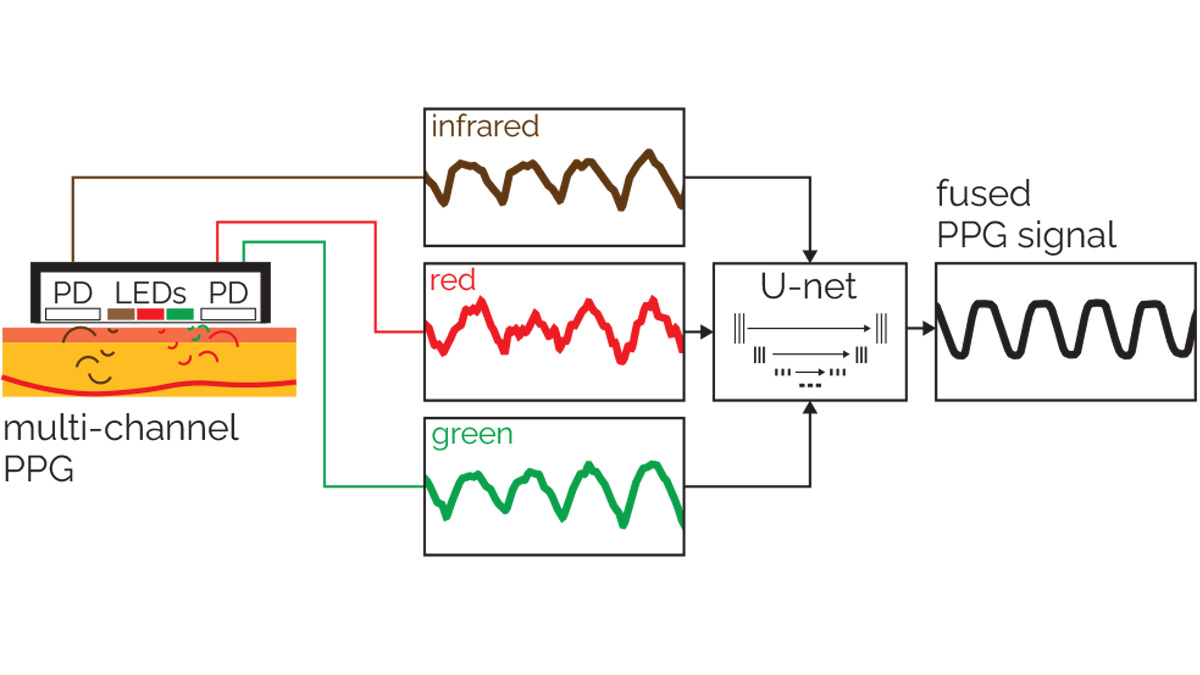
Multi-channel photoplethysmography (PPG) sensors have found widespread adoption in wearable devices for monitoring cardiac health. Channels thereby serve different functions -- whereas green is commonly used for metrics such as heart rate and heart rate variability, red and infrared are commonly used for pulse oximetry. In this paper, we introduce a novel method that simultaneously fuses multi-channel PPG signals into a single recovered PPG signal that can be input to further processing. Via signal fusion, our learning-based method compensates for the artifacts that affect wavelengths to different extents, such as motion and ambient light changes. We evaluate our method on a novel dataset of multi-channel PPG recordings and electrocardiogram recordings for reference from 10 participants over the course of 13 hours during real-world activities outside the laboratory. Using the fusion PPG signal our method recovered, participants' heart rates can be calculated with a mean error of 4.5\,bpm (23\% lower than from green PPG signals at 5.9\,bpm).
@inproceedings{meier2024,
  author    = {Manuel Meier and Berken Utku Demirel and Christian Holz},
  title     = {Tri-Spectral PPG: Robust Reflective Photoplethysmography by Fusing Multiple Wavelengths for Cardiac Monitoring},
  booktitle = {IEEE International Conference on Body Sensor Networks (BSN)},
  year      = {2024}
}
Robust Heart Rate Detection via Multi-Site Photoplethysmography illustration

Robust Heart Rate Detection via Multi-Site Photoplethysmography

Manuel Meier, Christian Holz

IEEE Engineering in Medicine & Biology Conference (EMBC), 2024

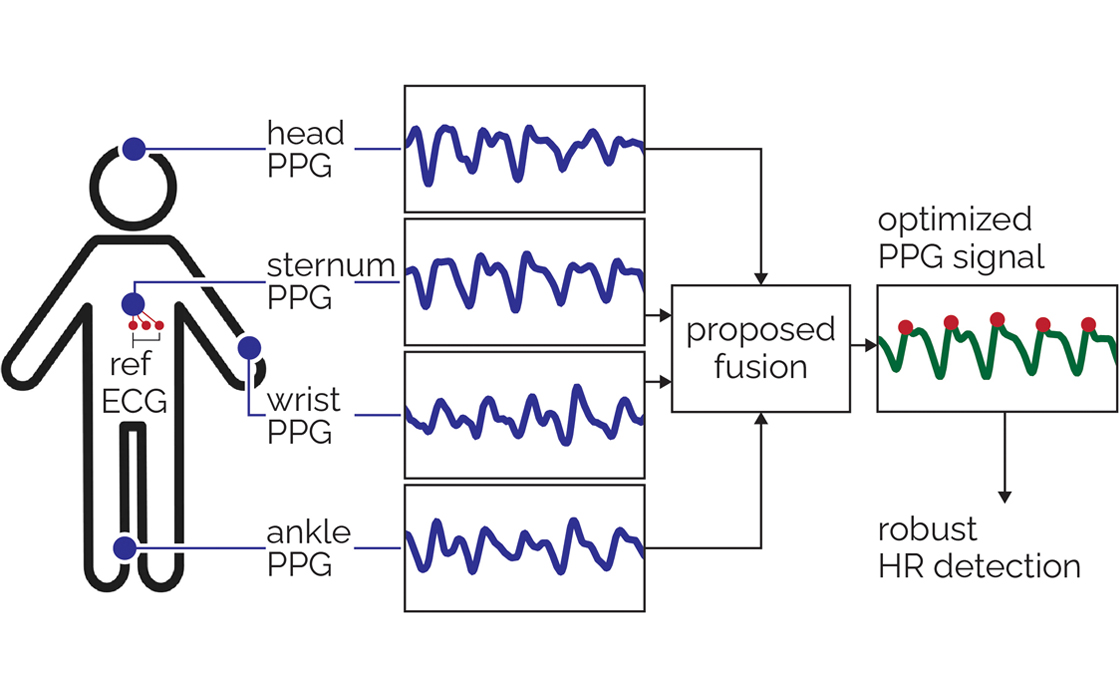
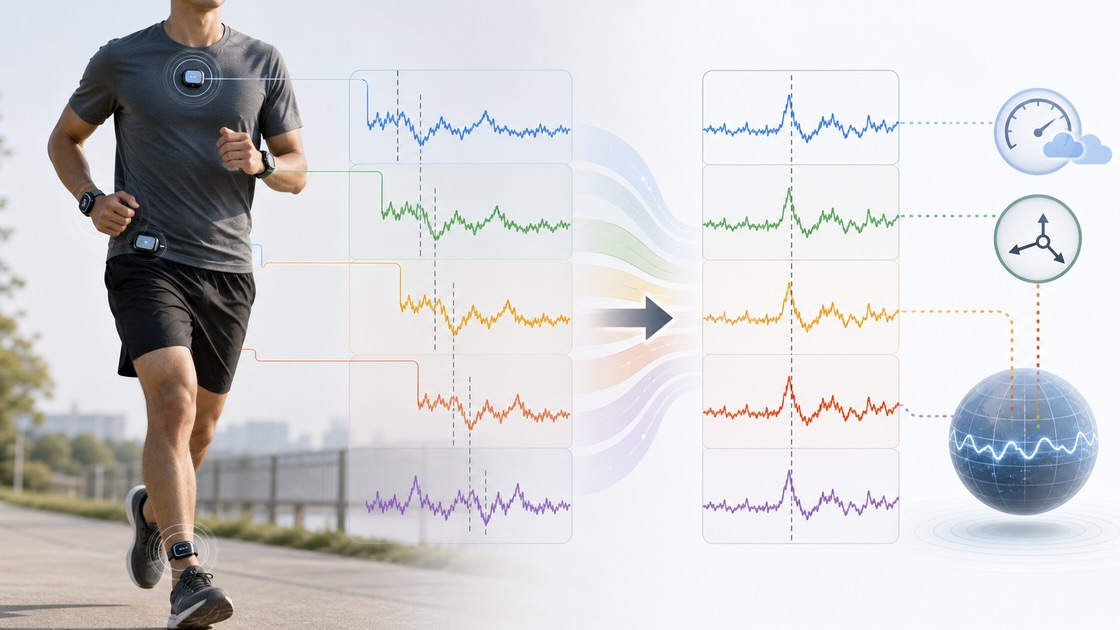
Smartwatches have become popular for monitoring physiological parameters outside clinical settings. Using reflective photoplethysmography (PPG) sensors, such watches can non-invasively estimate heart rate (HR) in everyday environments and throughout a patient's day. However, achieving consistently high accuracy remains challenging, particularly during moments of increased motion or due to varying device placement. In this paper, we introduce a novel sensor fusion method for estimating HR that flexibly combines samples from multiple PPG sensors placed across the patient's body, including wrist, ankle, head, and sternum (chest). Our method first estimates signal quality across all inputs to dynamically integrate them into a joint and robust PPG signal for HR estimation. We evaluate our method on a novel dataset of PPG and ECG recordings from 14 participants who engaged in real-world activities outside the laboratory over the course of a whole day. Our method achieves a mean HR error of 2.4\,bpm, which is 46\% lower than the mean error of the best-performing single device (4.4\,bpm, head).
@inproceedings{meier2024,
  author    = {Manuel Meier and Christian Holz},
  title     = {Robust Heart Rate Detection via Multi-Site Photoplethysmography},
  booktitle = {IEEE Engineering in Medicine & Biology Conference (EMBC)},
  year      = {2024}
}
Respiro illustration

Respiro: Continuous Respiratory Rate Monitoring During Motion via Wearable Ultra-Wideband Radar

Sebastian Reidy, Manuel Meier, Christian Holz

IEEE-EMBS International Conference on Biomedical & Health Informatics (BHI), 2024

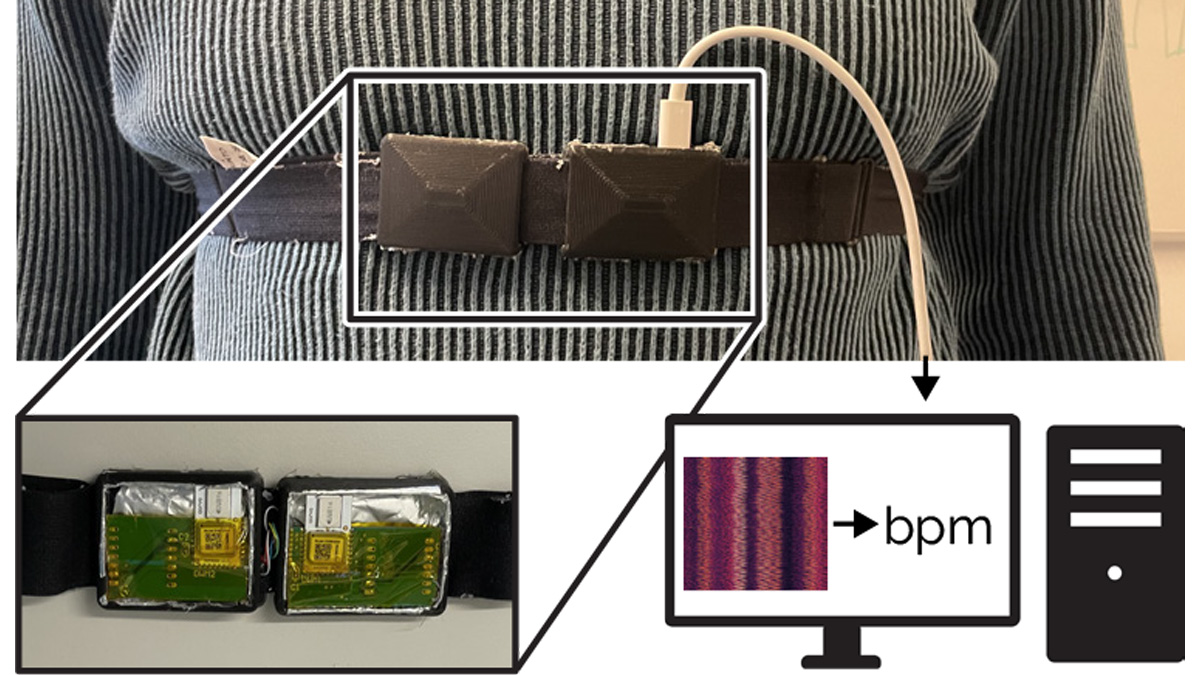
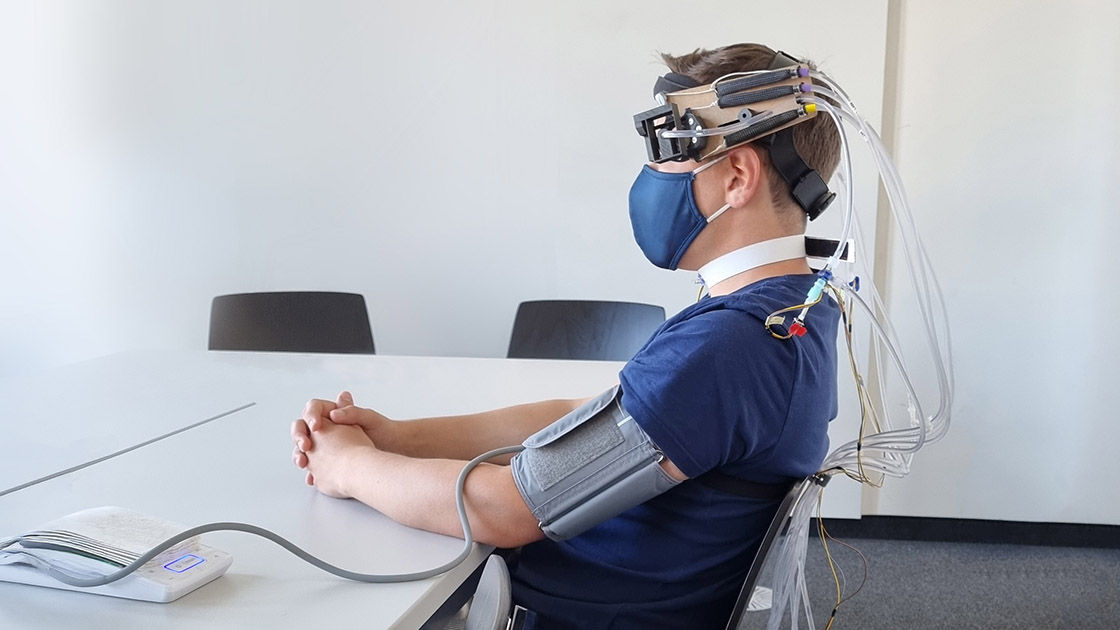
Deviations in respiratory rate often precede abnormalities in other vital signs. However, continuously monitoring respiratory rates outside clinical settings remains challenging due to the obtrusive nature and sensitivity to body motions in existing monitoring approaches. In this study, we propose a single-point-of-contact wearable device that leverages off-the-shelf, consumer-grade ultra-wideband radar to monitor respiratory rate as part of a chest strap. Our signal processing pipeline reliably extracts the wearer's respiratory signal from windowed complex channel impulse responses. In a controlled experiment, twelve participants performed various activities to evaluate the system's accuracy under motion while capturing ground-truth recordings through a spirometer. Our method extracted respiratory rates with less than 1 breath per minute deviation in 71% of all measurements, averaging 1.11 breaths per minute across all sessions and participants. Our findings underscore the potential of consumer-grade ultra-wideband radar technology in body-worn devices for unobtrusive yet effective respiratory monitoring.
@inproceedings{reidy2024,
  author    = {Sebastian Reidy and Manuel Meier and Christian Holz},
  title     = {Respiro: Continuous Respiratory Rate Monitoring During Motion via Wearable Ultra-Wideband Radar},
  booktitle = {IEEE-EMBS International Conference on Biomedical & Health Informatics (BHI)},
  year      = {2024}
}
MiBOT illustration

MiBOT: A Head-Worn Robot that Modulates Cardiovascular Responses through Human-Like Soft Massage

Alice Mylaeus, Stephanie Vogt, Berken Utku Demirel, Marcel Gort, Mirko Meboldt, Manuel Meier, Christian Holz

IEEE International Conference on Robotics and Automation (ICRA), 2024

Massage therapy is helpful for the rehabilitation of various diseases, such as headaches caused by migraines and stress. Existing robotic systems have focused on massage therapy on the torso and limbs, but performing massage motions through suitable actuation on a person's head has been a challenge. In this paper, we present MiBOT, a head-worn massage robot that actuates two soft tactors to produce touch motions mimicking human massage. A key design principle behind MiBOT is its silent actuation, which we achieve through pneumatic artificial muscles in conjunction with a controller loop to respond to contact pressure. We evaluated the effectiveness of MiBOT in a controlled study and assessed subjects' blood pressure and heart rate levels while applying MiBOT. We found that our mechanical system generated positive and conclusive quantitative outcomes that are similar to the human-administered massage, decreasing participants' mean systolic and diastolic blood pressure by 2.8 mmHg and 1.7 mmHg, respectively, as well as calming their heart rate by 810% on average.
@inproceedings{mylaeus2024,
  author    = {Alice Mylaeus and Stephanie Vogt and Berken Utku Demirel and Marcel Gort and Mirko Meboldt and Manuel Meier and Christian Holz},
  title     = {MiBOT: A Head-Worn Robot that Modulates Cardiovascular Responses through Human-Like Soft Massage},
  booktitle = {IEEE International Conference on Robotics and Automation (ICRA)},
  year      = {2024}
}
Impact of Optical Wavelength on the Reliability of Photoplethysmography-Based Heart Rate Measurements Outside of Controlled Laboratory Environments illustration

Impact of Optical Wavelength on the Reliability of Photoplethysmography-Based Heart Rate Measurements Outside of Controlled Laboratory Environments

Manuel Meier, Christian Holz

Current Issues in Sport Science (CISS), 2024

The effectiveness of heart-rate (HR) measurements via photoplethysmography (PPG) depends on the wavelength of light used; typical sensors use green, red, or infrared light, each penetrating the skin to different depths. We present a comparative analysis of HR reliability across these wavelengths using a dataset of 16 participants, each wearing four PPG devices (forehead, sternum, ankle, wrist) with synchronized Lead-I ECG reference, recorded over a 13-hour outdoor trip from downtown Zurich to the Jungfraujoch (3,460 m). HR from green PPG was most accurate (median error 3.8%), followed by infrared (7.2%) and red (9.1%); green was best 64.2% of the time, while infrared and red became more accurate during moderate and high motion. The results suggest green-light wearables can improve accuracy by incorporating additional wavelengths, with infrared and red PPG most beneficial during movement — beyond their usual role in pulse-oximetry (SpO2).
@article{meier2024,
  author    = {Manuel Meier and Christian Holz},
  title     = {Impact of Optical Wavelength on the Reliability of Photoplethysmography-Based Heart Rate Measurements Outside of Controlled Laboratory Environments},
  journal   = {Current Issues in Sport Science (CISS)},
  year      = {2024}
}
Assessing the Accuracy of Photoplethysmography for Wearable Heart Rate Monitoring Based on Body Location and Body Motion in Uncontrolled Outdoor Environments illustration

Assessing the Accuracy of Photoplethysmography for Wearable Heart Rate Monitoring Based on Body Location and Body Motion in Uncontrolled Outdoor Environments

Manuel Meier, Christian Holz

Current Issues in Sport Science (CISS), 2024

Reflective photoplethysmography (PPG) is the dominant method for heart-rate (HR) monitoring in consumer wearables, but motion artifacts and sensor placement impact accuracy. We study how these two factors affect PPG-based HR against ECG ground truth in outdoor environments outside the lab. Sixteen participants each wore four PPG devices (forehead, sternum, ankle, wrist) for 13 hours while travelling from downtown Zurich to the Jungfraujoch (3,460 m). The forehead and chest were most accurate (median error 7.1% and 7.7%), while ankle and wrist were worse (9.9% and 18.4%). At rest all median errors were below 5%; motion degraded readings everywhere. Time-domain analysis was better at low motion, frequency-domain during movement. Site suitability ranked forehead >> chest >> ankle >> wrist, with motion having a larger impact than location — underscoring the need to study everyday conditions on the path to reliable wearable HR.
@article{meier2024,
  author    = {Manuel Meier and Christian Holz},
  title     = {Assessing the Accuracy of Photoplethysmography for Wearable Heart Rate Monitoring Based on Body Location and Body Motion in Uncontrolled Outdoor Environments},
  journal   = {Current Issues in Sport Science (CISS)},
  year      = {2024}
}
2023
BMAR illustration

BMAR: Barometric and Motion-Based Alignment and Refinement for Offline Signal Synchronization across Devices

Manuel Meier, Christian Holz

Proceedings of the ACM on Interactive, Mobile, Wearable and Ubiquitous Technologies (IMWUT), 2023

A requirement of cross-modal signal processing is accurate signal alignment. Though simple on a single device, accurate signal synchronization becomes challenging as soon as multiple devices are involved, such as during activity monitoring, health tracking, or motion capture--particularly outside controlled scenarios where data collection must be standalone, low-power, and support long runtimes. In this paper, we present BMAR, a novel synchronization method that operates purely based on recorded signals and is thus suitable for offline processing. BMAR needs no wireless communication between devices during runtime and does not require any specific user input, action, or behavior. BMAR operates on the data from devices worn by the same person that record barometric pressure and acceleration--inexpensive, low-power, and thus commonly included sensors in today's wearable devices. In its first stage, BMAR verifies that two recordings were acquired simultaneously and pre-aligns all data traces. In a second stage, BMAR refines the alignment using acceleration measurements while accounting for clock skew between devices. In our evaluation, three to five body-worn devices recorded signals from the wearer for up to ten hours during a series of activities. BMAR synchronized all signal recordings with a median error of 33.4 ms and reliably rejected non-overlapping signal traces. The worst-case activity was sleeping, where BMAR's second stage could not exploit motion for refinement and, thus, aligned traces with a median error of 3.06 s.
@article{meier2023,
  author    = {Manuel Meier and Christian Holz},
  title     = {BMAR: Barometric and Motion-Based Alignment and Refinement for Offline Signal Synchronization across Devices},
  journal   = {Proceedings of the ACM on Interactive, Mobile, Wearable and Ubiquitous Technologies (IMWUT)},
  year      = {2023}
}
A Roadmap for Craft Understanding, Education, Training, and Preservation illustration

A Roadmap for Craft Understanding, Education, Training, and Preservation

Xenophon Zabulis, Nikolaos Partarakis, … Christian Holz, Paul Streli, Manuel Meier, … (29 authors)

Heritage (MDPI), 6(7):280, 2023

A roadmap is proposed that defines a systematic approach for craft preservation and its evaluation. It aims to deepen craft understanding so that blueprints of appropriate tools supporting craft documentation, education, and training can be designed, while achieving preservation through the stimulation and diversification of practitioner income. Alongside the roadmap, an evaluation strategy is proposed to validate the efficacy of the developed results and to provide a benchmark for craft-preservation approaches. The contribution aims at catalyzing craft education and training with digital aids — widening access and engagement, economizing learning, increasing exercisability, and relaxing remoteness constraints in craft learning.
2022
TapType illustration

TapType: Ten-Finger Text Entry on Everyday Surfaces via Bayesian Inference

Paul Streli, Jiaxi Jiang, Andreas Fender, Manuel Meier, Hugo Romat, Christian Holz

ACM CHI Conference on Human Factors in Computing Systems, 2022

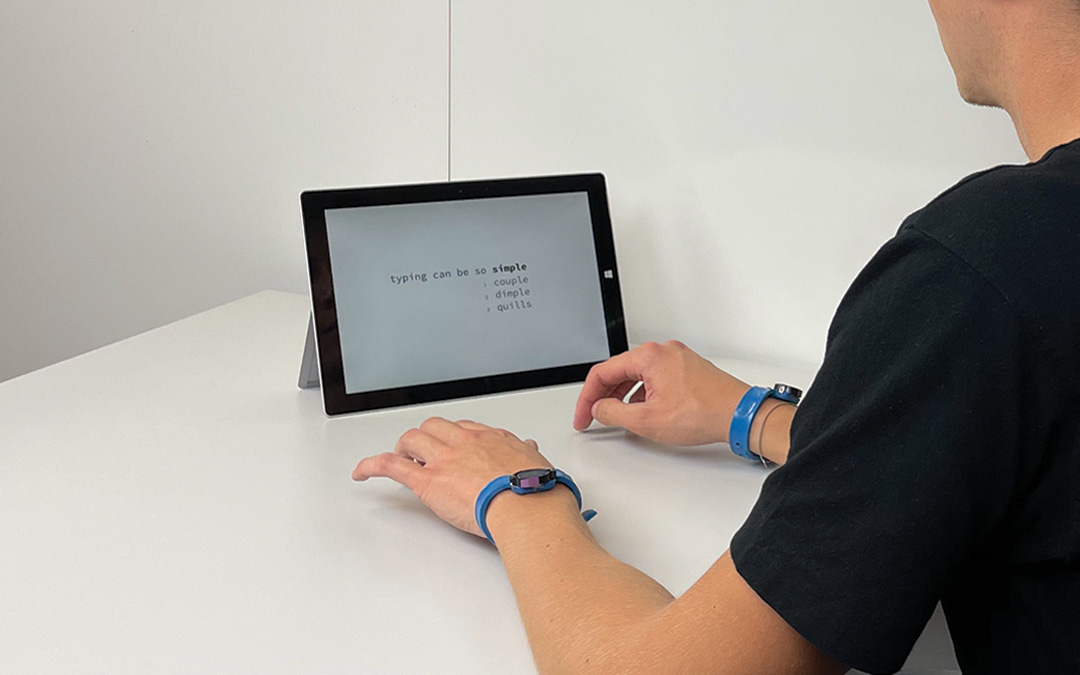
Despite the advent of touchscreens, typing on physical keyboards remains most efficient for entering text, because users can leverage all fingers across a full-size keyboard for convenient typing. As users increasingly type on the go, text input on mobile and wearable devices has had to compromise on full-size typing. In this paper, we present TapType, a mobile text entry system for full-size typing on passive surfaces--without an actual keyboard. From the inertial sensors inside a band on either wrist, TapType decodes and relates surface taps to a traditional QWERTY keyboard layout. The key novelty of our method is to predict the most likely character sequences by fusing the finger probabilities from our Bayesian neural network classifier with the characters' prior probabilities from an n-gram language model. In our online evaluation, participants on average typed 19 words per minute with a character error rate of 0.6% after 30 minutes of training. Expert typists thereby consistently achieved more than 25 WPM at a similar error rate. We demonstrate applications of TapType in mobile use around smartphones and tablets, as a complement to interaction in situated Mixed Reality outside visual control, and as an eyes-free mobile text input method using an audio feedback-only interface.
@inproceedings{streli2022,
  author    = {Paul Streli and Jiaxi Jiang and Andreas Fender and Manuel Meier and Hugo Romat and Christian Holz},
  title     = {TapType: Ten-Finger Text Entry on Everyday Surfaces via Bayesian Inference},
  booktitle = {ACM CHI Conference on Human Factors in Computing Systems},
  year      = {2022}
}
2021
TapID illustration

TapID: Rapid Touch Interaction in Virtual Reality using Wearable Sensing Best Demo Award

Manuel Meier, Paul Streli, Andreas Fender, Christian Holz

IEEE Conference on Virtual Reality and 3D User Interfaces (VR), 2021

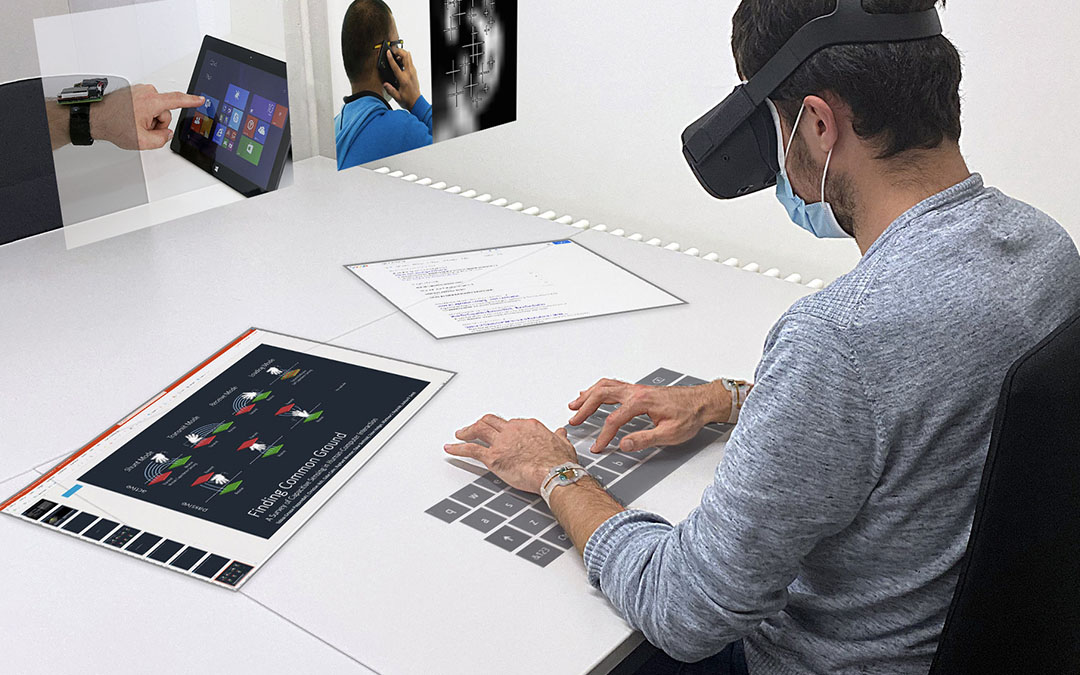
Current Virtual Reality systems typically use cameras to capture user input from controllers or free-hand mid-air interaction. In this paper, we argue that this is a key impediment to productivity scenarios in VR, which require continued interaction over prolonged periods of time--a requirement that controller or free-hand input in mid-air does not satisfy. To address this challenge, we bring rapid touch interaction on surfaces to Virtual Reality--the input modality that users have grown used to on phones and tablets for continued use. We present TapID, a wrist-based inertial sensing system that complements headset-tracked hand poses to trigger input in VR. TapID embeds a pair of inertial sensors in a flexible strap, one at either side of the wrist; from the combination of registered signals, TapID reliably detects surface touch events and, more importantly, identifies the finger used for touch. We evaluated TapID in a series of user studies on event-detection accuracy (F1 = 0.997) and hand-agnostic finger-identification accuracy (within-user: F1 = 0.93; across users: F1 = 0.91 after 10 refinement taps and F1 = 0.87 without refinement) in a seated table scenario. We conclude with a series of applications that complement hand tracking with touch input and that are uniquely enabled by TapID, including UI control, rapid keyboard typing and piano playing, as well as surface gestures.
@inproceedings{meier2021,
  author    = {Manuel Meier and Paul Streli and Andreas Fender and Christian Holz},
  title     = {TapID: Rapid Touch Interaction in Virtual Reality using Wearable Sensing},
  booktitle = {IEEE Conference on Virtual Reality and 3D User Interfaces (VR)},
  year      = {2021}
}
Flashpen illustration

Flashpen: A High-Fidelity and High-Precision Multi-Surface Pen for Virtual Reality

Hugo Romat, Andreas Fender, Manuel Meier, Christian Holz

IEEE Conference on Virtual Reality and 3D User Interfaces (VR), 2021

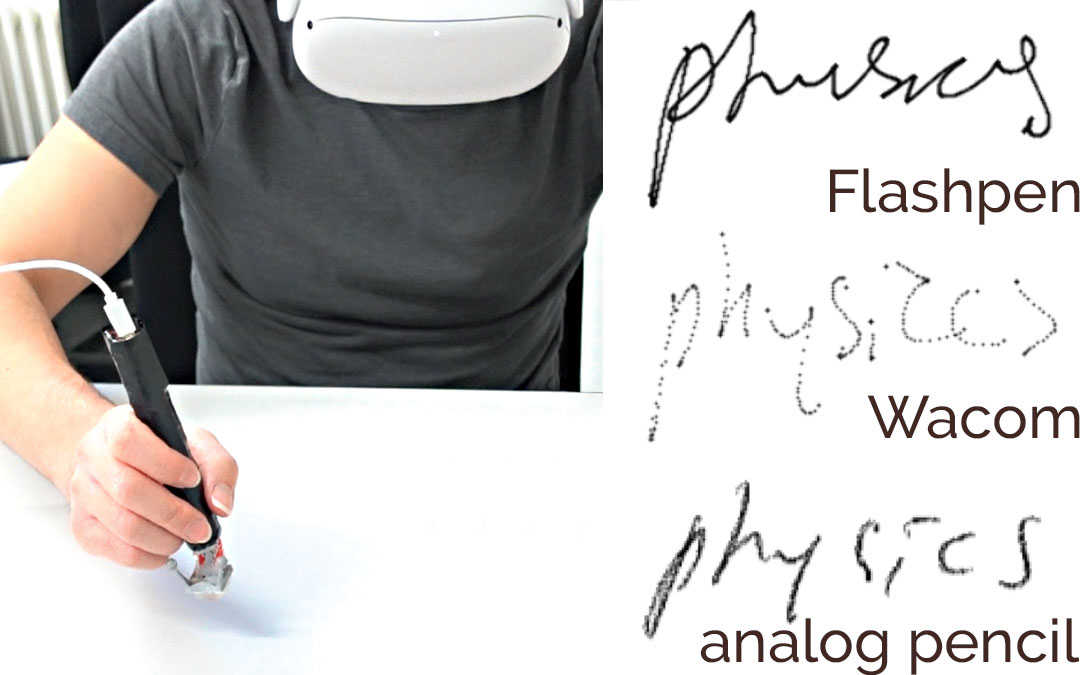
Digital pen interaction has become a first-class input modality for precision tasks such as writing, annotating, drawing, and 2D manipulation. The key enablers of digital inking are the capacitive or resistive sensors that are integrated in contemporary tablet devices. In Virtual Reality (VR), however, users typically provide input across large regions, hence limiting the suitability of using additional tablet devices for accurate pen input. In this paper, we present Flashpen, a digital pen for VR whose sensing principle affords accurately digitizing hand writing and intricate drawing, including small and quick turns. Flashpen re-purposes an inexpensive gaming mouse sensor that digitizes extremely fine grained motions in the micrometer range at over 8 kHz when moving on a surface. We combine Flashpen's high-fidelity relative input with the absolute tracking cues from a VR headset to enable pen interaction across a variety of VR applications. In our two-block evaluation, which consists of a tracing task and a writing task, we compare Flashpen to a professional drawing tablet (Wacom). With this, we demonstrate that Flashpen's fidelity matches the performance of state-of-the-art digitizers and approaches the fidelity of analog pens, while adding the flexibility of supporting a wide range of flat surfaces.
@inproceedings{romat2021,
  author    = {Hugo Romat and Andreas Fender and Manuel Meier and Christian Holz},
  title     = {Flashpen: A High-Fidelity and High-Precision Multi-Surface Pen for Virtual Reality},
  booktitle = {IEEE Conference on Virtual Reality and 3D User Interfaces (VR)},
  year      = {2021}
}
2017
Ultra-Wideband Indoor Localization — 3rd Place, Microsoft Indoor Localization Competition illustration

Ultra-Wideband Indoor Localization — 3rd Place, Microsoft Indoor Localization Competition

Lukas Bieri, Matthias Binder, Manuel Meier, Noa Melchior, Paul Beuchat

Microsoft Indoor Localization Competition (IPSN), ETH Zürich Automatic Control Laboratory, 2017

As part of my Bachelor studies at ETH Zürich, our team from the Automatic Control Laboratory built an ultra-wideband indoor-localization system that reached 0.60 m accuracy and took 3rd place overall — the best university entry — at the 2017 Microsoft Indoor Localization Competition. The underlying optimization-based localization method was later published as Beuchat, Hesse, Domahidi & Lygeros, “Enabling Optimization-Based Localization for IoT Devices,” IEEE Internet of Things Journal, 2019 (PDF attached).
Sports & Adventures

Outside of research and engineering, I have a passion for the outoors. I am a voluntary tour guide for the youth section of theSwiss Alpine Club, Brugg section, and I am part of the committee that runs the non-profitBlockchäfer climbing gym.